
Conference Hotel Booking Guide

TL;DR
- A conference hotel puts guest rooms and meeting space under one roof, so you negotiate one contract instead of coordinating a venue and a hotel separately.
- Conference bookings work differently than regular reservations: you contract a room block (10+ rooms) with the hotel’s sales team, usually bundled with meeting space, at rates well below public pricing.
- Start 6 to 12 months out. Early booking means better dates, more negotiating leverage, and first pick of meeting rooms.
- The base package covers rooms, a main meeting room, and basic AV. Comp rooms, waived Wi-Fi fees, upgrades for speakers, and coffee breaks are all negotiable on top.
- A group booking service negotiates the rooms side with multiple hotels for you and sends back proposals to compare. Commission-free for you, because hotels pay the commission.
The hotel decision shapes a conference more than almost anything else on the planning list. It’s where your attendees sleep, eat, network in the hallway, and judge whether the event felt professional or thrown together. Get it right and the logistics disappear into the background. Get it wrong and every session starts with people complaining about the Wi-Fi.
This guide covers how conference hotel booking actually works: what makes these properties different, how to evaluate them, when to book, what the packages include, and what to negotiate beyond the room rate.
What makes a conference hotel different?
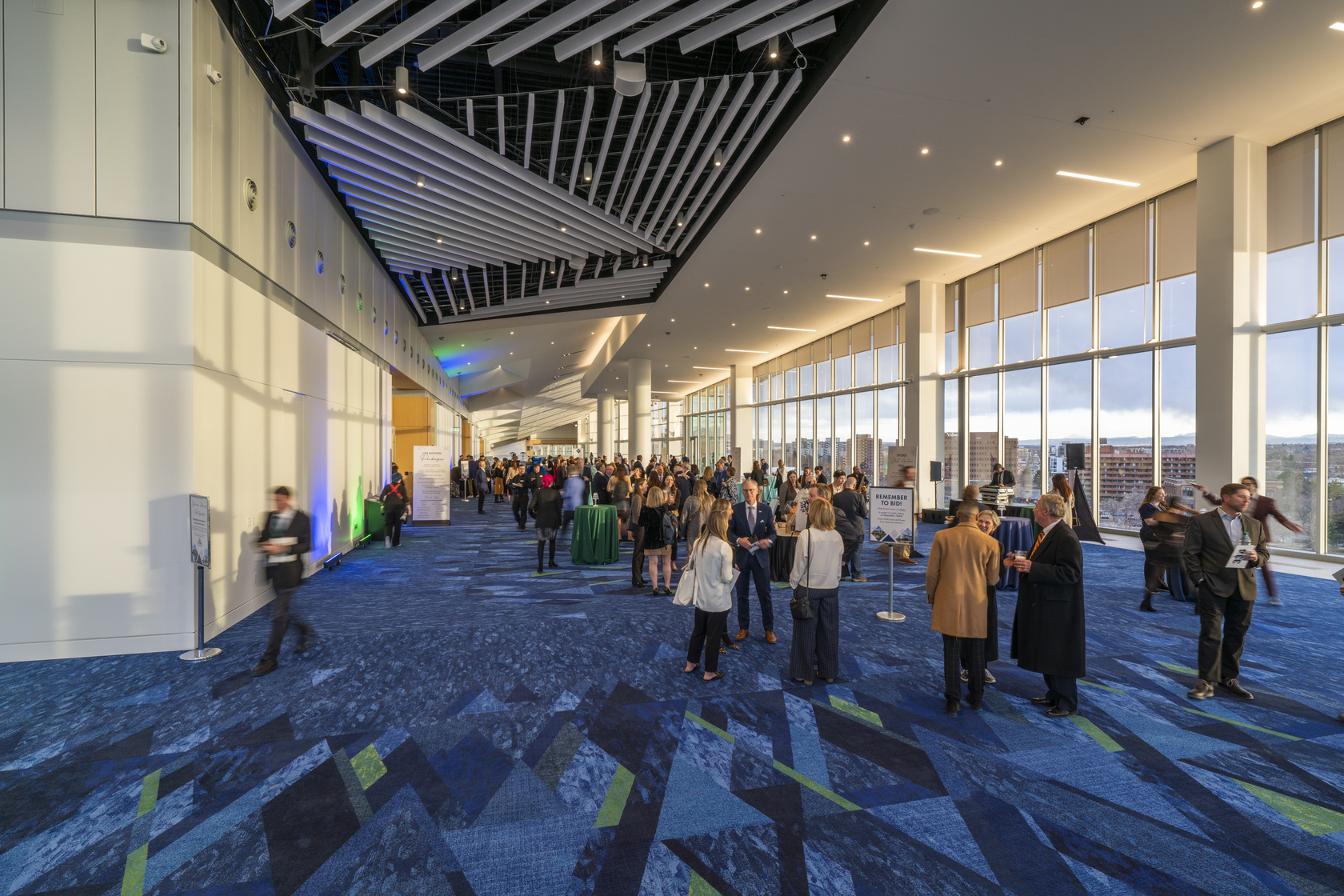
A conference hotel is built for events: multiple meeting rooms in different sizes, a ballroom or main session space, built-in AV, catering operations, and a sales and events team that handles group contracts every week. The point is consolidation. Instead of renting a venue and then scrambling to block rooms at hotels nearby, your attendees sleep upstairs from the sessions.
That consolidation helps more groups than just corporations. The industry groups conference hotel customers into a few buckets: corporate groups (meetings, annual conferences, trainings), SMERF groups (social, military, educational, religious, and fraternal organizations), athletic groups traveling for competitions, and private groups like reunions or wedding parties that need rooms plus an event space. If your gathering needs beds and a room to meet in, this category of hotel was built for you.
How conference booking differs from a regular reservation
Booking a conference isn’t a bigger version of booking a room online. It’s a different process with a different counterparty:
| Feature | Standard Booking | Conference Hotel Booking |
|---|---|---|
| Rooms | 1 to 9 rooms | 10+ rooms held in a block |
| Process | Book online or by phone | Contract negotiated with the hotel’s sales team |
| Rate | Public rate, rises as rooms sell | Discounted group rate, locked for the block |
| Meeting space | Not included | Usually bundled with the rooms in one package |
The trade is simple: you commit to a number of rooms, and the hotel gives you pricing and space that individual bookers never see. That commitment is also where contracts bite, so watch the attrition clause (what you owe if attendees book fewer rooms than promised) and the cutoff date when unbooked rooms release. Both are negotiable before you sign, and neither is negotiable after.
How to evaluate a conference hotel
Meeting space that fits your agenda. Count your session types, not just your headcount. A 200-person keynote plus four 30-person workshops needs a ballroom and four breakouts, ideally on the same floor. Ask for a floor plan and confirm the rooms you’re promised in writing; “equivalent space” in a contract can mean a basement room next to the kitchen.
Technology you can verify. Reliable Wi-Fi that can handle your full attendee count at once, screens and sound in every room, and an on-site AV team. If you’re live-streaming sessions, tell the hotel and confirm bandwidth before you sign, not the morning of.
Location and access. Proximity to the airport, parking capacity, and transit matter more as your group grows, since you’re moving everyone at once. A cheaper suburban property can genuinely win for a self-contained conference; a downtown one wins when attendees want restaurants and things to do between sessions. Price out the transportation both ways before deciding on the room rate alone.
A real track record with groups. Ask how many events your size the hotel ran in the past year. Properties that host conferences weekly handle check-in surges, rooming lists, and master billing without drama. Properties that don’t will learn on your event.
Accessibility. Confirm ADA rooms in your block, step-free routes to all meeting spaces, and elevator capacity for session changeovers.
When should you book a conference hotel?
Six to twelve months out, and toward the earlier end for peak season or convention-heavy cities. The logic is leverage: hotels price group business aggressively when they’re building future occupancy, and rigidly when the calendar is nearly full. Booking early gets you the dates you want, the specific meeting rooms you want, and a sales team still motivated to earn the business. Booking late gets you what’s left, at what it costs.
One organizer, one block. Never let attendees book individually and hope everyone lands in the same hotel. A room block guarantees availability, locks one rate for everyone, keeps your group under one roof where the hallway conversations happen, and gives you a single rooming list to manage instead of forty confirmation emails.
What’s in a conference hotel package, and what to negotiate on top
The standard package bundles three things: your room block at the group rate, a main meeting room (sometimes with breakouts), and basic AV, typically a screen, projector, and sound. Everything beyond that is either an add-on or a negotiation, so get an itemized list of inclusions before comparing hotels; two “similar” quotes can differ by thousands once catering, Wi-Fi, and setup fees surface.
Once the base rate is agreed, ask for the extras. These are routine requests, and hotels expect them from experienced planners:
- A comp room per 20 to 40 booked, for your VIP or event staff
- Suite upgrades for speakers or executives at the standard rate
- Waived Wi-Fi fees in meeting spaces (often charged separately from guest room Wi-Fi)
- A free coffee break or discounted catering minimums
- Discounted parking, or comped parking for staff and speakers
- Early access to meeting rooms for setup the night before
Put every request and every agreement in email. Midweek and off-season events get the most generous answers, since that’s when the hotel needs your business most. And be reasonable: a 15-room training doesn’t command the concessions a 200-room annual conference does, and sales managers respond best to asks that match the value your event brings.
On catering: most conference hotels require in-house catering for events on property, and it’s often the largest line item after the rooms. Work with the catering manager on a menu that fits your budget, and ask explicitly about service charges, setup fees, and per-gallon coffee pricing. Nobody forgets their first conference coffee invoice.

Planning a conference?
Tell us your dates, city, and room count. We’ll negotiate with multiple conference hotels and send you 2 to 4 proposals with group rates and terms. Commission-free for you because hotels pay us.
Get My Group Rate Quote Call (331) 314-9625Room setups worth knowing by name
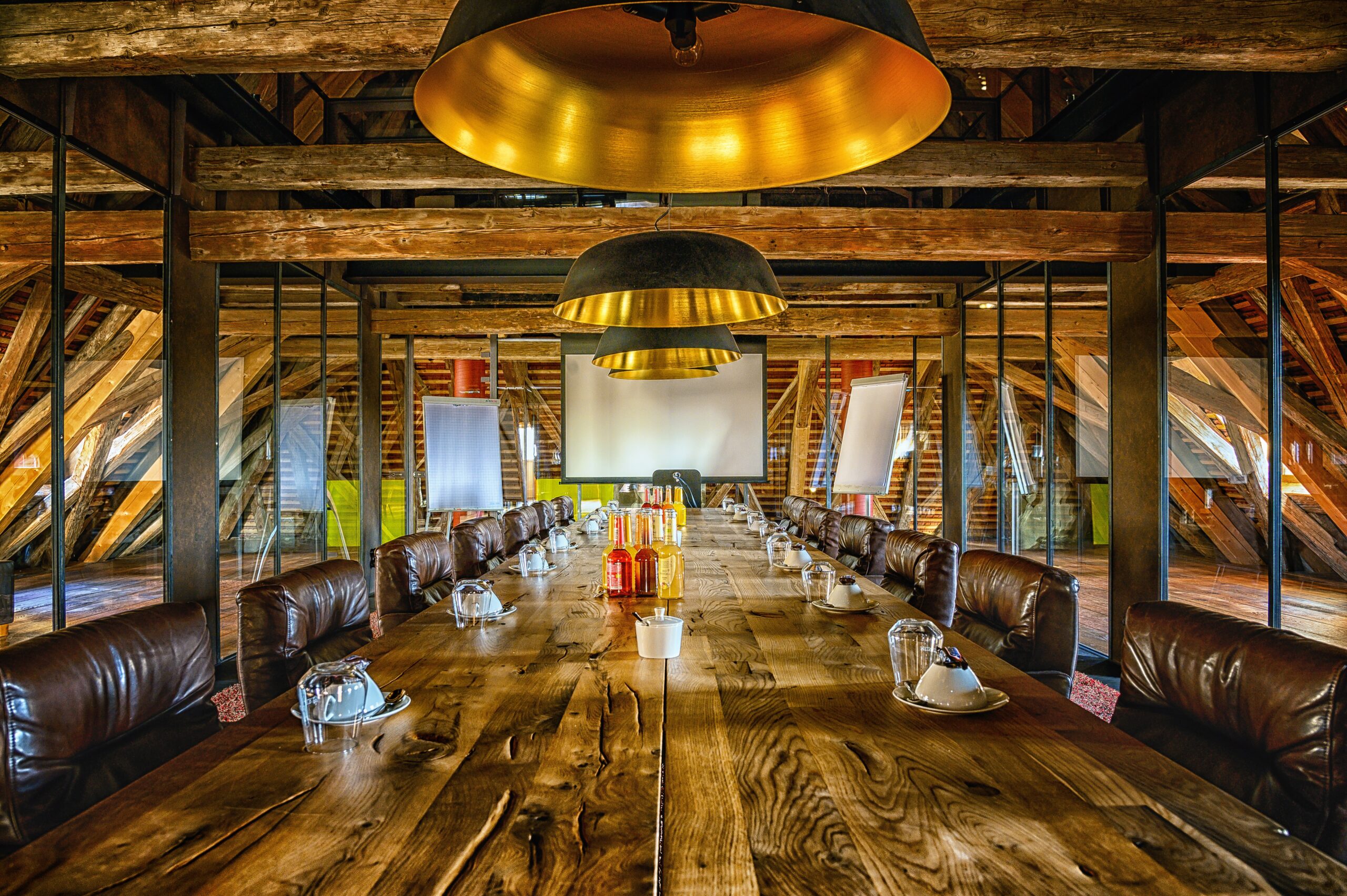
When the events team asks how you want each room set, these three cover most conferences: theater style (rows of chairs facing a stage, maximum capacity, best for keynotes), classroom style (rows of tables and chairs, best for trainings where people take notes), and banquet style (round tables, best for meals and group work). Flexible hotels will reset a room between sessions; confirm turnover time so a banquet lunch doesn’t delay your 1 p.m. session.
Whether you handle the venue side yourself or not, the room block side doesn’t have to eat your calendar. At Hotel Rates Direct, a real specialist contacts multiple conference hotels that fit your dates and budget, negotiates rates, comp terms, and attrition, and sends you side-by-side proposals. It’s commission-free for you because hotels pay us, and it works for corporate events, trade shows, and conferences worldwide. Planning something in New York specifically? Our NYC event hotel guide covers that market venue by venue.
Frequently Asked Questions
What is a conference hotel?
A conference hotel combines guest rooms with dedicated event facilities: multiple meeting rooms, a ballroom or main session space, AV equipment, catering, and a sales team that handles group contracts. It lets you book attendee rooms and event space under one contract at one property.
How far in advance should you book a conference hotel?
Six to twelve months before the event, and earlier for peak season or convention-heavy cities. Early booking gets better dates, first pick of meeting rooms, and stronger negotiating leverage, since hotels price aggressively when building future occupancy.
Do conference hotels discount group bookings?
Yes. Room blocks of 10 or more typically price 15 to 35 percent below public rates, and bundled packages (rooms plus meeting space) usually beat booking each piece separately. Midweek and off-season dates earn the deepest discounts.
What’s included in a conference hotel package?
The standard bundle is a room block at a group rate, a main meeting room, and basic AV like a screen, projector, and sound system. Catering, meeting-space Wi-Fi, parking, and extra breakout rooms are usually add-ons, so request an itemized inclusion list before comparing quotes.
Can you modify a conference booking after signing?
Usually, within limits set by the contract. Rooming list updates are routine. Reducing the room count triggers the attrition clause, which defines how many rooms you must fill before penalties apply, so negotiate that percentage and the cutoff date before signing, and put change requests in email.
Do conference hotels include free Wi-Fi and parking?
Guest room Wi-Fi is usually free; meeting-space Wi-Fi and parking often carry separate fees, especially downtown. Both are commonly waived or discounted in group negotiations, so ask for them in the package rather than paying at the posted rate.

Get conference hotel proposals without the legwork
10+ rooms, any city worldwide. One short form and we respond ASAP with negotiated options, comp terms included. No obligation, no fees.
Request a Quote Call (331) 314-9625